
Top Tips for Retaining Soil Moisture
Growers located in drought-stricken areas of the country know all too well that every drop of moisture counts when it comes to crop production.
[et_pb_section fb_built=”1″ admin_label=”section” _builder_version=”4.15″ custom_padding=”0px||0px|||” da_disable_devices=”off|off|off” global_colors_info=”{}” da_is_popup=”off” da_exit_intent=”off” da_has_close=”on” da_alt_close=”off” da_dark_close=”off” da_not_modal=”on” da_is_singular=”off” da_with_loader=”off” da_has_shadow=”on”][et_pb_row admin_label=”row” _builder_version=”4.15″ background_size=”initial” background_position=”top_left” background_repeat=”repeat” min_height=”1088.6px” global_colors_info=”{}”][et_pb_column type=”4_4″ _builder_version=”4.15″ custom_padding=”|||” global_colors_info=”{}” custom_padding__hover=”|||”][et_pb_text admin_label=”Text” _builder_version=”4.15.0″ background_size=”initial” background_position=”top_left” background_repeat=”repeat” min_height=”1186.5px” custom_margin=”-24px|||||” hover_enabled=”0″ global_colors_info=”{}” sticky_enabled=”0″]
 Growers located in drought-stricken areas of the country know all too well that every drop of moisture counts when it comes to crop production. Whether operations are challenged by diminished reservoir reserves, shrinking aquifer levels or extended rainfall shortages, it’s up to growers to maximize any available moisture each season.
Wilbur-Ellis sales representative Scott Terry, who is located on the western side of the Texas panhandle, is experienced in helping his customers deal with continuing drought conditions. To make the most of available moisture, he offered growers a few tips for conserving and maximizing water usage in their operations.
“Water is one of our most limiting resources and we must continually focus on preserving our supply,” Terry explained.
Paying attention to soil health is a good starting point, Terry noted. To help keep the maximum amount of moisture where it’s needed within the soil, Terry recommended growers focus on creating healthy soil structure with ample organic matter.
“Using no- or minimum-tillage practices on fields is an important step toward retaining soil moisture,” he said. “While tilling the ground dries the soil, leaving some residue on the soil surface helps prevent evaporation.”
Residue on the ground also helps capture moisture during big rain events, Terry added. “We’ll often get two-thirds of our annual rainfall in one or two events. Soil residue helps water to infiltrate the soil better, instead of running off and going down the ditch during big flash floods,” he explained.
Depending on your moisture challenges, Terry noted that new technology is available to help preserve water usage and maximize water availability for plants. Some water-management products to consider include:
“When faced with limited moisture conditions, it’s important to capture every drop you get and keep it retained in the soil, ready for use whenever a crop is planted,” Terry added. “Employing the right cultural practices and technology can help you achieve this goal.” Your local Wilbur-Ellis representative can assist with more information about maximizing water usage in your specific area.
[/et_pb_text][/et_pb_column][/et_pb_row][/et_pb_section]
[et_pb_section fb_built=”1″ admin_label=”section” _builder_version=”4.15″ custom_padding=”0px||0px|||” da_disable_devices=”off|off|off” global_colors_info=”{}” da_is_popup=”off” da_exit_intent=”off” da_has_close=”on” da_alt_close=”off” da_dark_close=”off” da_not_modal=”on” da_is_singular=”off” da_with_loader=”off” da_has_shadow=”on”][et_pb_row admin_label=”row” _builder_version=”4.15″ background_size=”initial” background_position=”top_left” background_repeat=”repeat” min_height=”1088.6px” global_colors_info=”{}”][et_pb_column type=”4_4″ _builder_version=”4.15″ custom_padding=”|||” global_colors_info=”{}” custom_padding__hover=”|||”][et_pb_text admin_label=”Text” _builder_version=”4.15.0″ background_size=”initial” background_position=”top_left” background_repeat=”repeat” min_height=”1186.5px” custom_margin=”-24px|||||” hover_enabled=”0″ global_colors_info=”{}” sticky_enabled=”0″]
Growers located in drought-stricken areas of the country know all too well that every drop of moisture counts when it comes to crop production. Whether operations are challenged by diminished reservoir reserves, shrinking aquifer levels or extended rainfall shortages, it’s up to growers to maximize any available moisture each season.
Wilbur-Ellis sales representative Scott Terry, who is located on the western side of the Texas panhandle, is experienced in helping his customers deal with continuing drought conditions. To make the most of available moisture, he offered growers a few tips for conserving and maximizing water usage in their operations.
“Water is one of our most limiting resources and we must continually focus on preserving our supply,” Terry explained.
Paying attention to soil health is a good starting point, Terry noted. To help keep the maximum amount of moisture where it’s needed within the soil, Terry recommended growers focus on creating healthy soil structure with ample organic matter.
“Using no- or minimum-tillage practices on fields is an important step toward retaining soil moisture,” he said. “While tilling the ground dries the soil, leaving some residue on the soil surface helps prevent evaporation.”
Residue on the ground also helps capture moisture during big rain events, Terry added. “We’ll often get two-thirds of our annual rainfall in one or two events. Soil residue helps water to infiltrate the soil better, instead of running off and going down the ditch during big flash floods,” he explained.
Depending on your moisture challenges, Terry noted that new technology is available to help preserve water usage and maximize water availability for plants. Some water-management products to consider include:
“When faced with limited moisture conditions, it’s important to capture every drop you get and keep it retained in the soil, ready for use whenever a crop is planted,” Terry added. “Employing the right cultural practices and technology can help you achieve this goal.” Your local Wilbur-Ellis representative can assist with more information about maximizing water usage in your specific area.
[/et_pb_text][/et_pb_column][/et_pb_row][/et_pb_section]
[et_pb_section fb_built=”1″ admin_label=”section” _builder_version=”4.15″ custom_padding=”0px||0px|||” da_disable_devices=”off|off|off” global_colors_info=”{}” da_is_popup=”off” da_exit_intent=”off” da_has_close=”on” da_alt_close=”off” da_dark_close=”off” da_not_modal=”on” da_is_singular=”off” da_with_loader=”off” da_has_shadow=”on”][et_pb_row admin_label=”row” _builder_version=”4.15″ background_size=”initial” background_position=”top_left” background_repeat=”repeat” min_height=”1088.6px” global_colors_info=”{}”][et_pb_column type=”4_4″ _builder_version=”4.15″ custom_padding=”|||” global_colors_info=”{}” custom_padding__hover=”|||”][et_pb_text admin_label=”Text” _builder_version=”4.15.0″ background_size=”initial” background_position=”top_left” background_repeat=”repeat” min_height=”1186.5px” custom_margin=”-24px|||||” hover_enabled=”0″ global_colors_info=”{}” sticky_enabled=”0″]
Growers located in drought-stricken areas of the country know all too well that every drop of moisture counts when it comes to crop production. Whether operations are challenged by diminished reservoir reserves, shrinking aquifer levels or extended rainfall shortages, it’s up to growers to maximize any available moisture each season.
Wilbur-Ellis sales representative Scott Terry, who is located on the western side of the Texas panhandle, is experienced in helping his customers deal with continuing drought conditions. To make the most of available moisture, he offered growers a few tips for conserving and maximizing water usage in their operations.
“Water is one of our most limiting resources and we must continually focus on preserving our supply,” Terry explained.
Paying attention to soil health is a good starting point, Terry noted. To help keep the maximum amount of moisture where it’s needed within the soil, Terry recommended growers focus on creating healthy soil structure with ample organic matter.
“Using no- or minimum-tillage practices on fields is an important step toward retaining soil moisture,” he said. “While tilling the ground dries the soil, leaving some residue on the soil surface helps prevent evaporation.”
Residue on the ground also helps capture moisture during big rain events, Terry added. “We’ll often get two-thirds of our annual rainfall in one or two events. Soil residue helps water to infiltrate the soil better, instead of running off and going down the ditch during big flash floods,” he explained.
Depending on your moisture challenges, Terry noted that new technology is available to help preserve water usage and maximize water availability for plants. Some water-management products to consider include:
“When faced with limited moisture conditions, it’s important to capture every drop you get and keep it retained in the soil, ready for use whenever a crop is planted,” Terry added. “Employing the right cultural practices and technology can help you achieve this goal.” Your local Wilbur-Ellis representative can assist with more information about maximizing water usage in your specific area.
[/et_pb_text][/et_pb_column][/et_pb_row][/et_pb_section]
[et_pb_section fb_built=”1″ admin_label=”section” _builder_version=”4.15″ custom_padding=”0px||0px|||” da_disable_devices=”off|off|off” global_colors_info=”{}” da_is_popup=”off” da_exit_intent=”off” da_has_close=”on” da_alt_close=”off” da_dark_close=”off” da_not_modal=”on” da_is_singular=”off” da_with_loader=”off” da_has_shadow=”on”][et_pb_row admin_label=”row” _builder_version=”4.15″ background_size=”initial” background_position=”top_left” background_repeat=”repeat” min_height=”1088.6px” global_colors_info=”{}”][et_pb_column type=”4_4″ _builder_version=”4.15″ custom_padding=”|||” global_colors_info=”{}” custom_padding__hover=”|||”][et_pb_text admin_label=”Text” _builder_version=”4.15.0″ background_size=”initial” background_position=”top_left” background_repeat=”repeat” min_height=”1186.5px” custom_margin=”-24px|||||” hover_enabled=”0″ global_colors_info=”{}” sticky_enabled=”0″]
Growers located in drought-stricken areas of the country know all too well that every drop of moisture counts when it comes to crop production. Whether operations are challenged by diminished reservoir reserves, shrinking aquifer levels or extended rainfall shortages, it’s up to growers to maximize any available moisture each season.
Wilbur-Ellis sales representative Scott Terry, who is located on the western side of the Texas panhandle, is experienced in helping his customers deal with continuing drought conditions. To make the most of available moisture, he offered growers a few tips for conserving and maximizing water usage in their operations.
“Water is one of our most limiting resources and we must continually focus on preserving our supply,” Terry explained.
Paying attention to soil health is a good starting point, Terry noted. To help keep the maximum amount of moisture where it’s needed within the soil, Terry recommended growers focus on creating healthy soil structure with ample organic matter.
“Using no- or minimum-tillage practices on fields is an important step toward retaining soil moisture,” he said. “While tilling the ground dries the soil, leaving some residue on the soil surface helps prevent evaporation.”
Residue on the ground also helps capture moisture during big rain events, Terry added. “We’ll often get two-thirds of our annual rainfall in one or two events. Soil residue helps water to infiltrate the soil better, instead of running off and going down the ditch during big flash floods,” he explained.
Depending on your moisture challenges, Terry noted that new technology is available to help preserve water usage and maximize water availability for plants. Some water-management products to consider include:
“When faced with limited moisture conditions, it’s important to capture every drop you get and keep it retained in the soil, ready for use whenever a crop is planted,” Terry added. “Employing the right cultural practices and technology can help you achieve this goal.” Your local Wilbur-Ellis representative can assist with more information about maximizing water usage in your specific area.
[/et_pb_text][/et_pb_column][/et_pb_row][/et_pb_section]
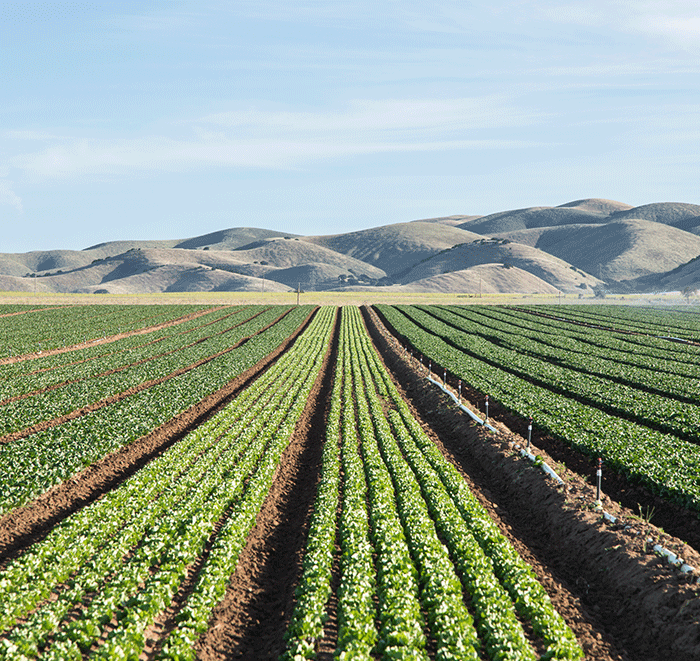
Growers located in drought-stricken areas of the country know all too well that every drop of moisture counts when it comes to crop production.
Many growers every year must address excess water issues in their fields during the spring.