
Eight Ways To Get Weeds Under Control
Controlling weeds so they don’t take root in your fields, and managing herbicide resistance, requires strategic planning that goes beyond what you may have considered in the past.
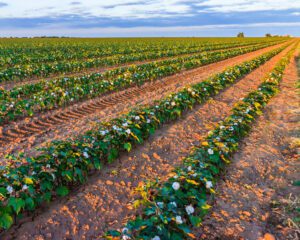 Controlling weeds so they don’t take root in your fields, and managing herbicide resistance, requires strategic planning that goes beyond what you may have considered in the past.
Gregg Gerber, Wilbur-Ellis Agribusiness sales representative and agronomist, recommends considering your target weeds and current resistance concerns to plan for 2022 and beyond.
“A lot of our chemistries provide good control,” Gerber said. “But if you control 90% of a weed population out of 10 billion, you still have an issue.”
Kochia is the first problematic weed to emerge, followed by native grasses, Russian thistle, tumbleweed and marestail. Later in the season, Palmer amaranth and morning glory pose a challenge to even the most diligent growers.
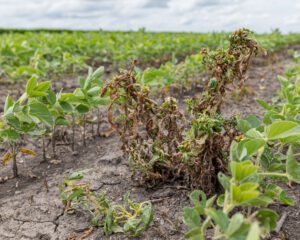
Both Gerber and Foster agree—being proactive and exploring new (or old) solutions is the best way to manage weeds.
“We can’t keep doing what we have been doing; we’ve got to think outside the box,” Foster said. “What have we not been doing that is an option? Let’s really explore those routes.”
Controlling weeds so they don’t take root in your fields, and managing herbicide resistance, requires strategic planning that goes beyond what you may have considered in the past.
Gregg Gerber, Wilbur-Ellis Agribusiness sales representative and agronomist, recommends considering your target weeds and current resistance concerns to plan for 2022 and beyond.
“A lot of our chemistries provide good control,” Gerber said. “But if you control 90% of a weed population out of 10 billion, you still have an issue.”
Kochia is the first problematic weed to emerge, followed by native grasses, Russian thistle, tumbleweed and marestail. Later in the season, Palmer amaranth and morning glory pose a challenge to even the most diligent growers.
Both Gerber and Foster agree—being proactive and exploring new (or old) solutions is the best way to manage weeds.
“We can’t keep doing what we have been doing; we’ve got to think outside the box,” Foster said. “What have we not been doing that is an option? Let’s really explore those routes.”
Controlling weeds so they don’t take root in your fields, and managing herbicide resistance, requires strategic planning that goes beyond what you may have considered in the past.
Gregg Gerber, Wilbur-Ellis Agribusiness sales representative and agronomist, recommends considering your target weeds and current resistance concerns to plan for 2022 and beyond.
“A lot of our chemistries provide good control,” Gerber said. “But if you control 90% of a weed population out of 10 billion, you still have an issue.”
Kochia is the first problematic weed to emerge, followed by native grasses, Russian thistle, tumbleweed and marestail. Later in the season, Palmer amaranth and morning glory pose a challenge to even the most diligent growers.
Both Gerber and Foster agree—being proactive and exploring new (or old) solutions is the best way to manage weeds.
“We can’t keep doing what we have been doing; we’ve got to think outside the box,” Foster said. “What have we not been doing that is an option? Let’s really explore those routes.”
Controlling weeds so they don’t take root in your fields, and managing herbicide resistance, requires strategic planning that goes beyond what you may have considered in the past.
Gregg Gerber, Wilbur-Ellis Agribusiness sales representative and agronomist, recommends considering your target weeds and current resistance concerns to plan for 2022 and beyond.
“A lot of our chemistries provide good control,” Gerber said. “But if you control 90% of a weed population out of 10 billion, you still have an issue.”
Kochia is the first problematic weed to emerge, followed by native grasses, Russian thistle, tumbleweed and marestail. Later in the season, Palmer amaranth and morning glory pose a challenge to even the most diligent growers.
Both Gerber and Foster agree—being proactive and exploring new (or old) solutions is the best way to manage weeds.
“We can’t keep doing what we have been doing; we’ve got to think outside the box,” Foster said. “What have we not been doing that is an option? Let’s really explore those routes.”
Controlling weeds so they don’t take root in your fields, and managing herbicide resistance, requires strategic planning that goes beyond what you may have considered in the past.
The U.S. agriculture industry today faces uncertainty from supply chain issues, evolving weather patterns and global unrest.
With spring approaching fast and plans to come together rapidly, consider how your fertility, irrigation, and horticulture decisions will be made and evaluated this year. When it comes to samples and laboratory tests, there are many options.
Farming is hard and change is not painless. Complying with the myriad of government regulations and 3rd party standards now required by retailers makes those truths even more difficult.
Before we jump into the debate between dry vs. liquid sources of potassium, let us first cover some basic agronomy as it pertains to potassium nutrition in almonds. Potassium plays various essential roles in all plant species.