
6577

Relative Maturity: 115
Features & Benefits
• New yield level!
• Very consistent across environments
• Excellent test weight
• Nice grain quality
• Moves South well
• Strong early growth
Technology Trait
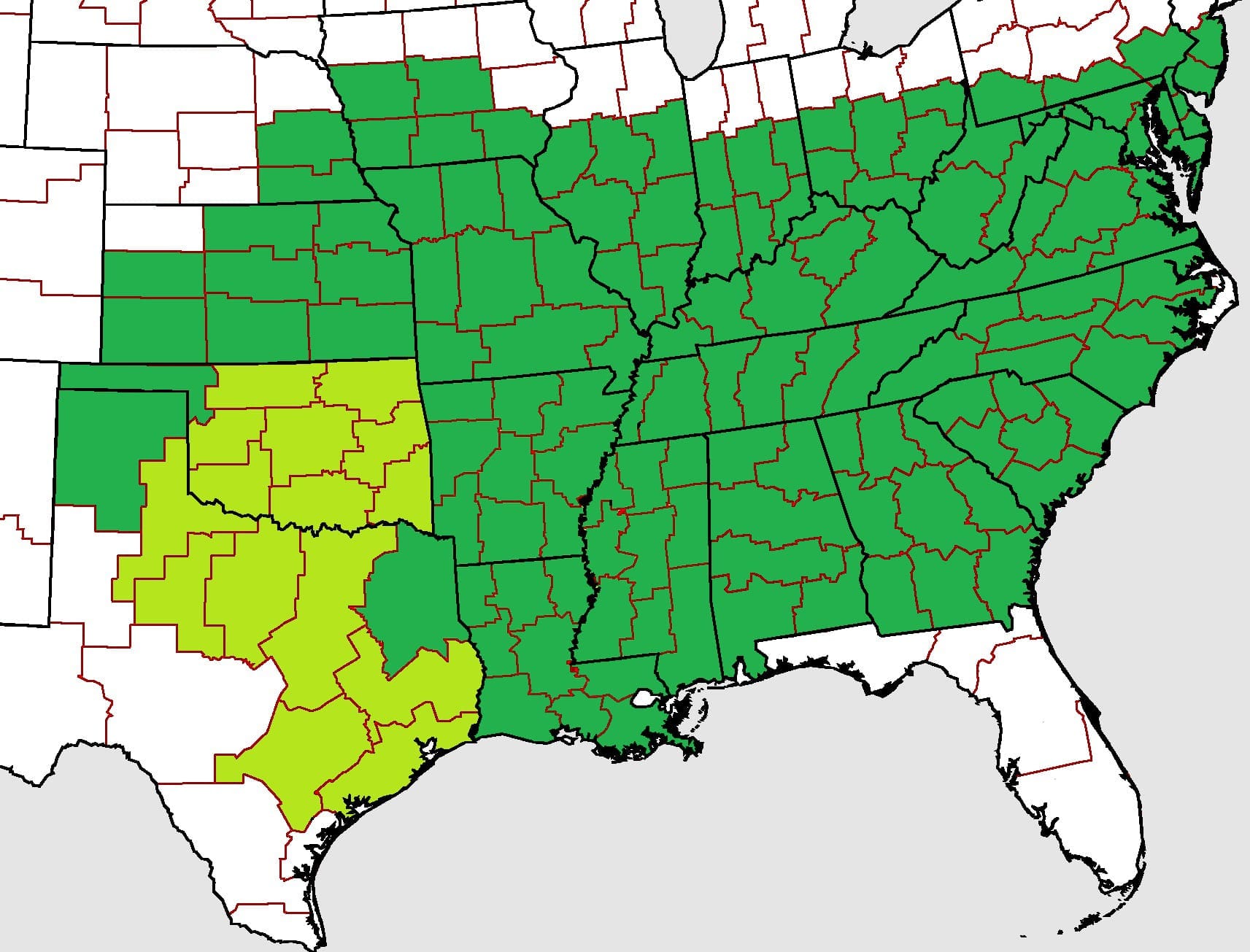
Region Adaptability
Agronomics
Staygreen: Above Avg
Greensnap: Above Avg
Stalks: Above Avg
Roots: Above Avg
Early Vigor: Above Avg
Drought Tolerance: Above Avg
Test Weight: Excellent
Silage: Very Good
Water Management
Full Irrigation: HR
Limited Irrigation: R
Rainfed:
Dryland (Stress): NR
Disease Tolerance
N. Corn Leaf Blight: Above Avg
Gray Leaf Spot: Above Avg
S. Corn Leaf Blight: Excellent
Goss's Wilt: Above Avg
Common Rust: N/A
Southern Rust: Very Good
Tar Spot: Above Avg
Stalk Rot: Above Avg
Ear Rot: Above Avg
Management Response
Added Management: Very Good
Average Management: Very Good
Low Management: Above Avg
Soil Placement
Course (Droughty): Above Avg
Medium: Very Good
Heavy (Well Drained): Excellent
Heavy (Poorly Drained): Very Good
Variable: Very Good
Rotation Management
Rotated Acres:
Continuous Corn:
Continuous Corn with Fungicide:
KEY
| Ratings: | 9 Excellent |
8 Very Good |
7 Above Avg |
5-6 Average |
3-4 Below Avg |
1-2 Poor |
| Systems: | HR Highly Recommended |
R Recommended |
NR Not Recommended |
|||
| Resistance: | HR Highly Resistant |
R Resistant |
MR Moderately Resistant |
LR Least Resistant |
MS Moderately Susceptible |
S Susceptible |
All agronomic characteristics and ratings may vary with growing conditions and environment. Ratings are approximate and should not be considered as absolute. Ratings on new hybrids are based on limited data and may change as more data are colle cted. Extreme conditions may adversely affect hybrid performance. The relative maturity of one hybrid to another remains reasonably constant; however, the actual number of cale ndar days from seeding to physiological maturity varies with da te of planting, planting rate, temperature, day length, soil fertility, and other environmental factors.