
Measure seed ROI at harvest, not purchase
Next year’s most profitable seed decisions begin with observations made in the combine this fall
- Use yield data and field observations to evaluate varietal performance and guide future seed selection decisions.
- Choose seed for the acre, not the price to find greater long-term value.
- Seek consistent results across different environments to help manage risk.
- Protect yield with traits like standability and disease tolerance to support ROI.
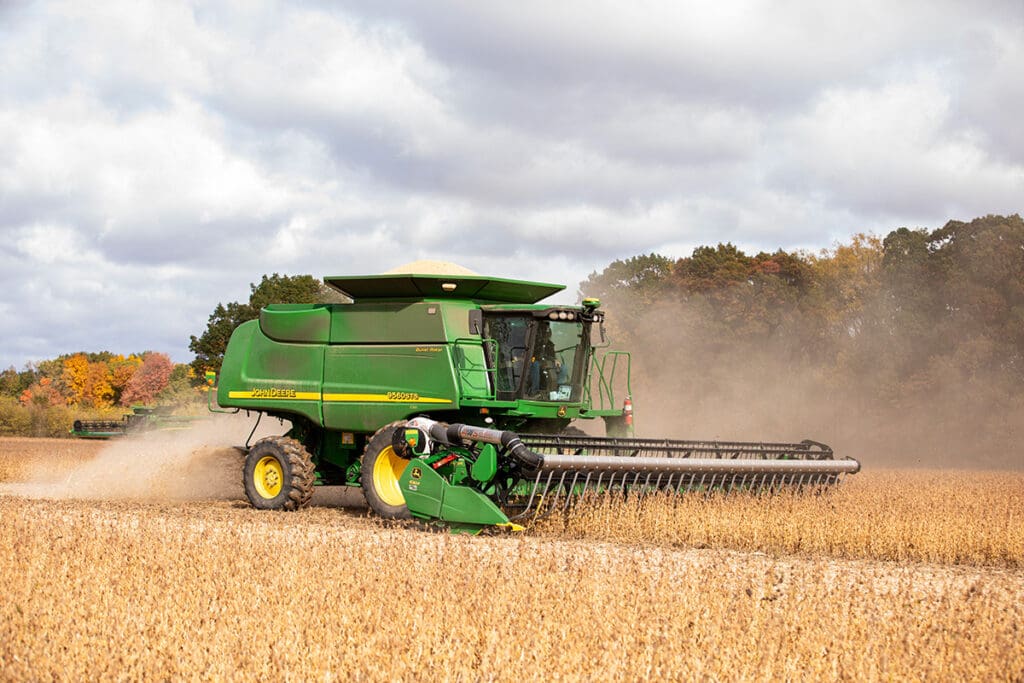
DENVER, Colorado (Aug. 18, 2026) — Harvest may feel like the finish line, but it’s actually where next year’s seed decisions begin. Yield monitor data, field observations and conversations with trusted agronomic advisors provide the clearest picture of which varieties delivered (and which ones didn’t) under your farm’s unique conditions.
With margins remaining tight, every seed decision carries more weight than ever. While reducing seed costs may seem like an easy way to improve profitability, the lowest-priced bag isn’t always the best value if the genetics aren’t matched to the acre.
Start with the acre, not the price
It’s natural to compare prices when evaluating seed options. But that’s not where the decision should begin.
“One of the worst things you can do is immediately consider price before you look at the acre fit of that product,” says Mark Menke, Wilbur-Ellis Lead Agronomist and Corn Product Manager. “Every product has its place and has a reason for it. But if you have the wrong seed variety on the wrong acre, you’re likely to get a bad result.”
Every field presents different opportunities and challenges, from soil type and drainage to disease pressure and fertility. Matching seed products to those conditions has a far greater influence on return than simply choosing the lowest price.
A strong seed plan begins with reviewing this year’s harvest data alongside weather conditions and management practices to identify products that consistently delivered under your operation’s conditions.
Seed quality should also remain a priority. Discounts can create opportunities, but sacrificing quality can undermine stand establishment before the season even begins.
“Make sure you’re not selecting a lower seed quality option,” Menke says. “Getting a good stand is the key to getting adequate yield, especially in corn. Corn just cannot compensate due to low populations.”
Define value by performance
The true measure of seed is how reliably it delivers under changing weather, variable soils and unexpected stress. Research plot data to see how varieties such as INTEGRA® perform under different regional conditions, like those in the Wilbur-Ellis WEGrow trial program.
“To define the value is the return on investment on the product and especially centered around your goals,” Menke says. “Good genetics and quality products have high yield potential and stability to manage your downside risks.”
Rather than focusing on a variety’s top-end yield in a single season, evaluate how it performs across multiple years and growing conditions. Comparing yield data with weather patterns and discussing those results with trusted agronomic advisors helps distinguish products that benefited from favorable conditions from those that consistently perform over time.
“Look at the yield data from your yield monitor across the environments that you have,” Menke suggests. “Overlay that with what the weather was like and have a conversation with your key agronomic contacts. Is this something you’re seeing in other environments? How did it perform in drier areas or wetter years? Calibrate what you’re seeing with the trends in other environments and other years.”
That broader perspective helps separate products that benefited from one favorable season from those capable of delivering reliable performance over time.
Profitability extends beyond yield
Yield is only one measure of return. Agronomic characteristics that protect harvestable bushels often have just as much impact on profitability.
“Agronomically, standability is key,” Menke says. “A variety has to stand well enough to be able to harvest it.”
Regional conditions should also shape selection priorities. Green snap tolerance may be critical in areas prone to high winds, while strong stalk integrity can reduce harvest losses in more humid environments.
“If you can’t get it all in the bin, it’s not going to matter how much it yields,” Menke says.
Soybean seed selection also benefits from a field-by-field approach. White mold tolerance may be essential in portions of the Great Lakes region, while taller varieties can improve harvestability and pod retention in drier or rolling landscapes.
Trait selection deserves equal consideration. As herbicide-tolerant and insect-protected technologies continue to expand, growers should ensure each product aligns with their weed management strategy and production goals. Wilbur-Ellis seed advisors have access to a wide range of trait packages and genetic backgrounds through the INTEGRA® and Harvest Bounty® seed brands.
“The complexity in the business is growing as different trait packages become available,” Menke says. “Make sure you’re selecting varieties that match your herbicide program with the trait package that you need.”
The conversation about next year’s crop doesn’t begin when seed orders are placed. It begins at harvest. Working with a trusted Wilbur-Ellis agronomist to evaluate harvest results, regional performance data and management objectives can help identify the products best suited for every acre. The insights gathered through this process can help position every acre for greater confidence and stronger returns next season.
Talk with your local Wilbur-Ellis agronomist to build a seed selection plan tailored to your operation. Learn more at www.wilburellisagribusiness.com/integra-seed/.
Sidebar:
Five questions every grower should ask before ordering seed
- Has this hybrid or variety proven itself across multiple years and environments?
- Does the trait package match my weed, disease and insect pressure?
- How will it perform on my specific soils?
- What are the major agronomic strengths and weaknesses?
- What level of risk am I willing to accept to save on seed costs?